Most devoted parent
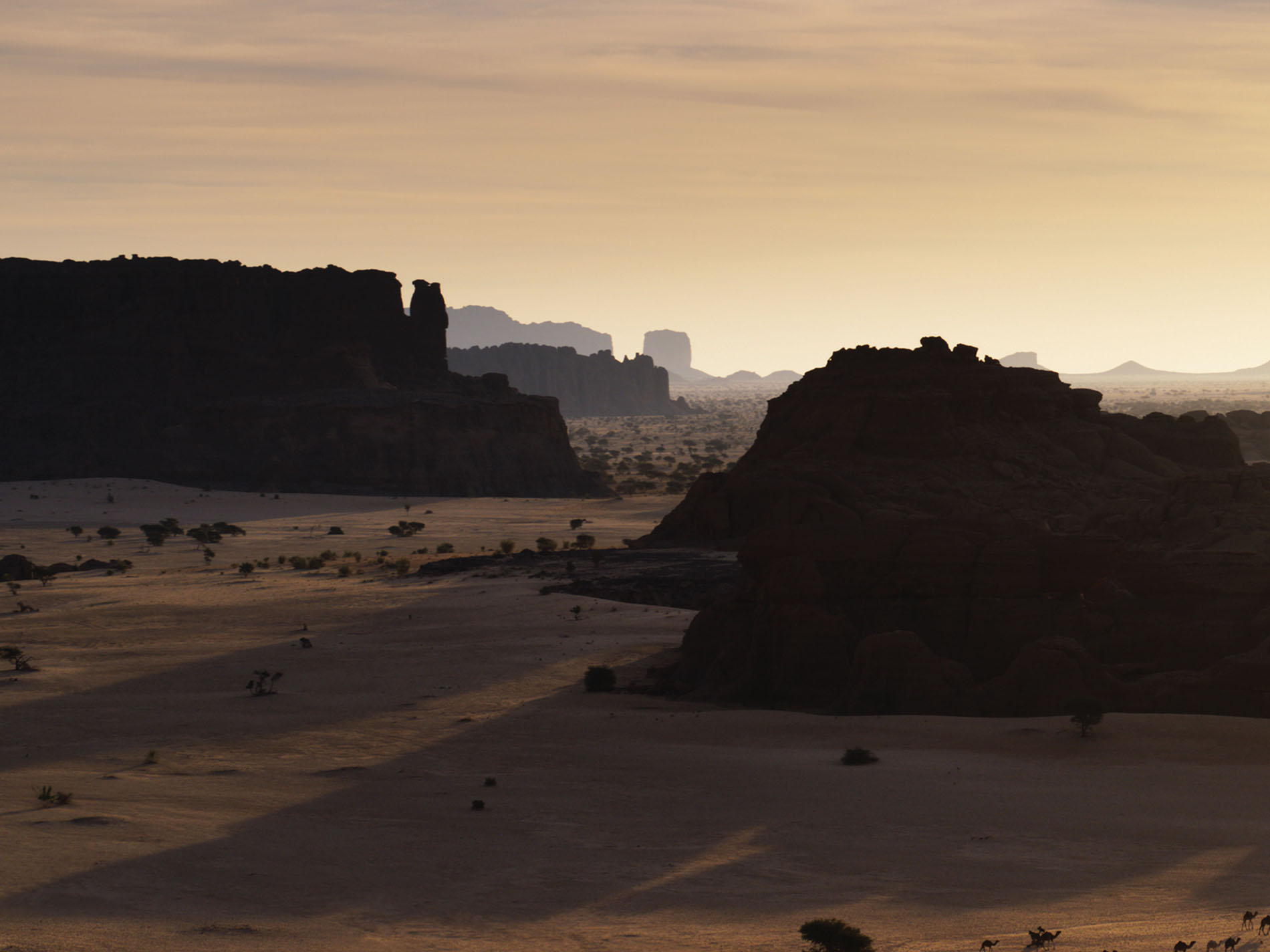
With soaring temperatures and water scarce, deserts provide tough environments for animal parents raising their young. Trying to feed and protect newborns is a constant battle against the landscape, weather and predators – which demands stamina, determination and devotion. This often means long hours of sacrifice in the scorching heat.
Which is the most devoted parent – the chacma baboon or the ostrich?
Chacma baboon
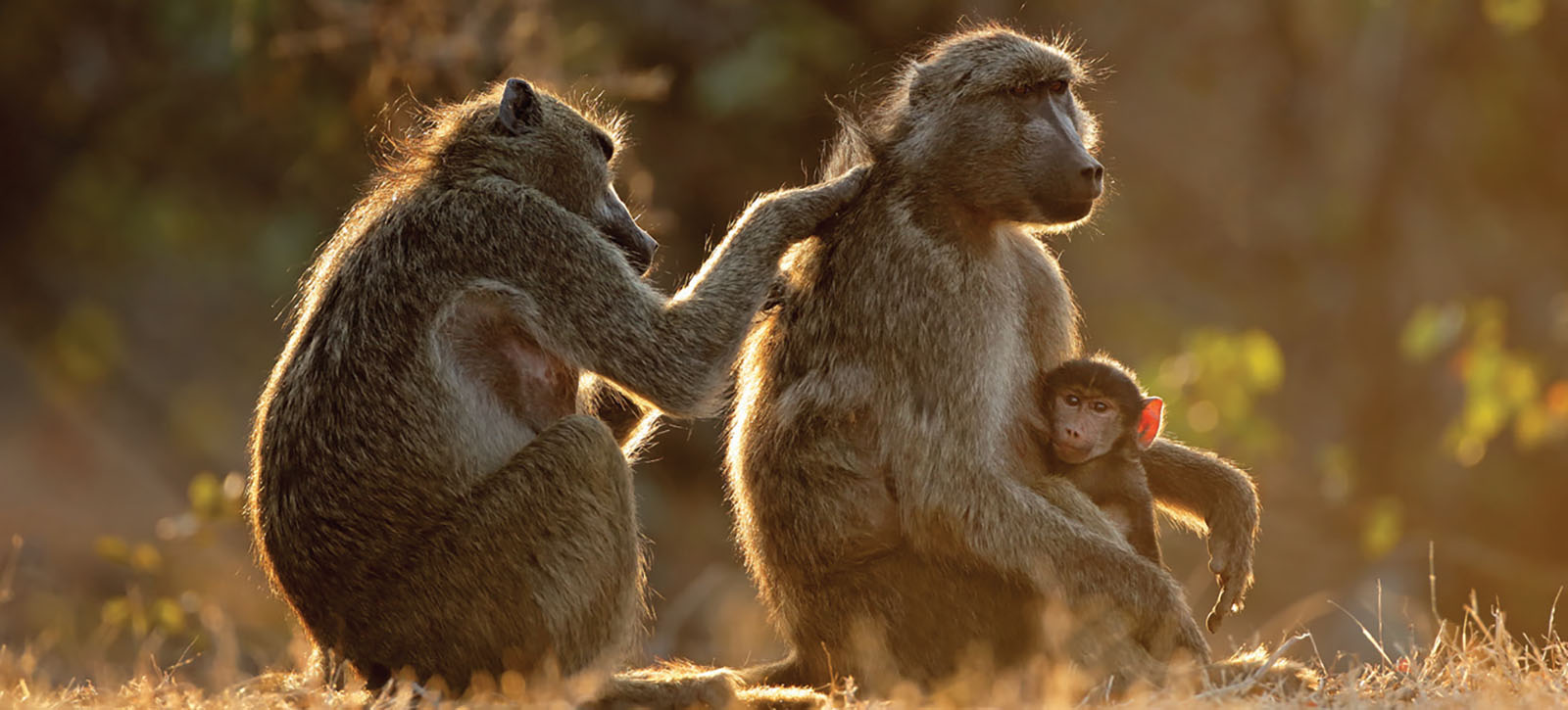
Like all mammals, a chacma baboon mother needs water if she is going to produce enough milk for her newborn – which is really hard in the desert landscape. Who gets what little water there is relies on a pecking order. A mother will travel many miles with her troop and risk many dangers to be able to feed her baby.
| LOCATION: | Namib desert |
| SIZE: | Up to 1.5 metres long (including tail), 40 kg in weight |
| SPECIAL FEATURES: | Lives in groups called troops, governed by strict and complex hierarchies |
| STRENGTHS: | Has a mental map of the desert’s water and food sources |
Ostrich
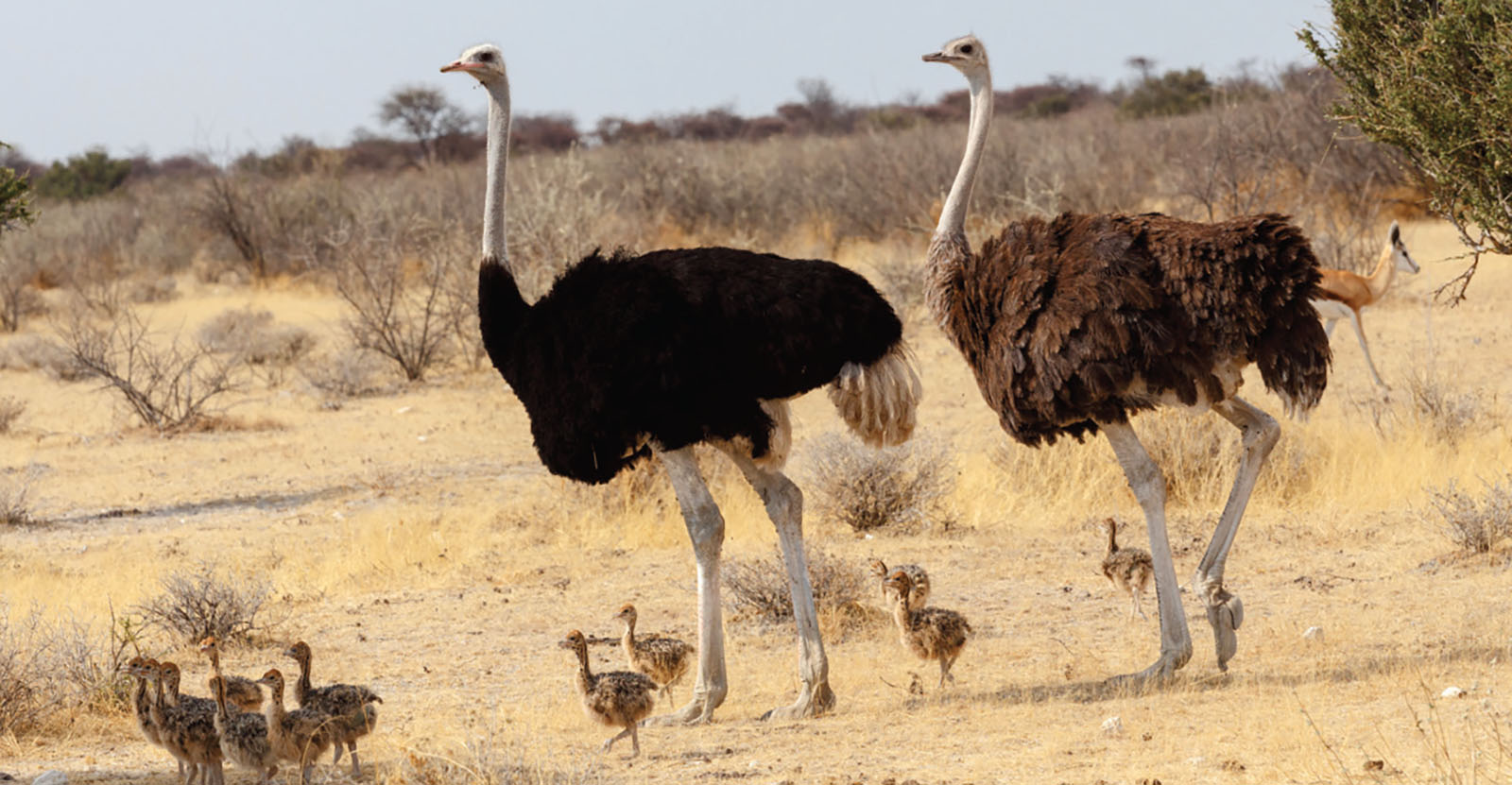
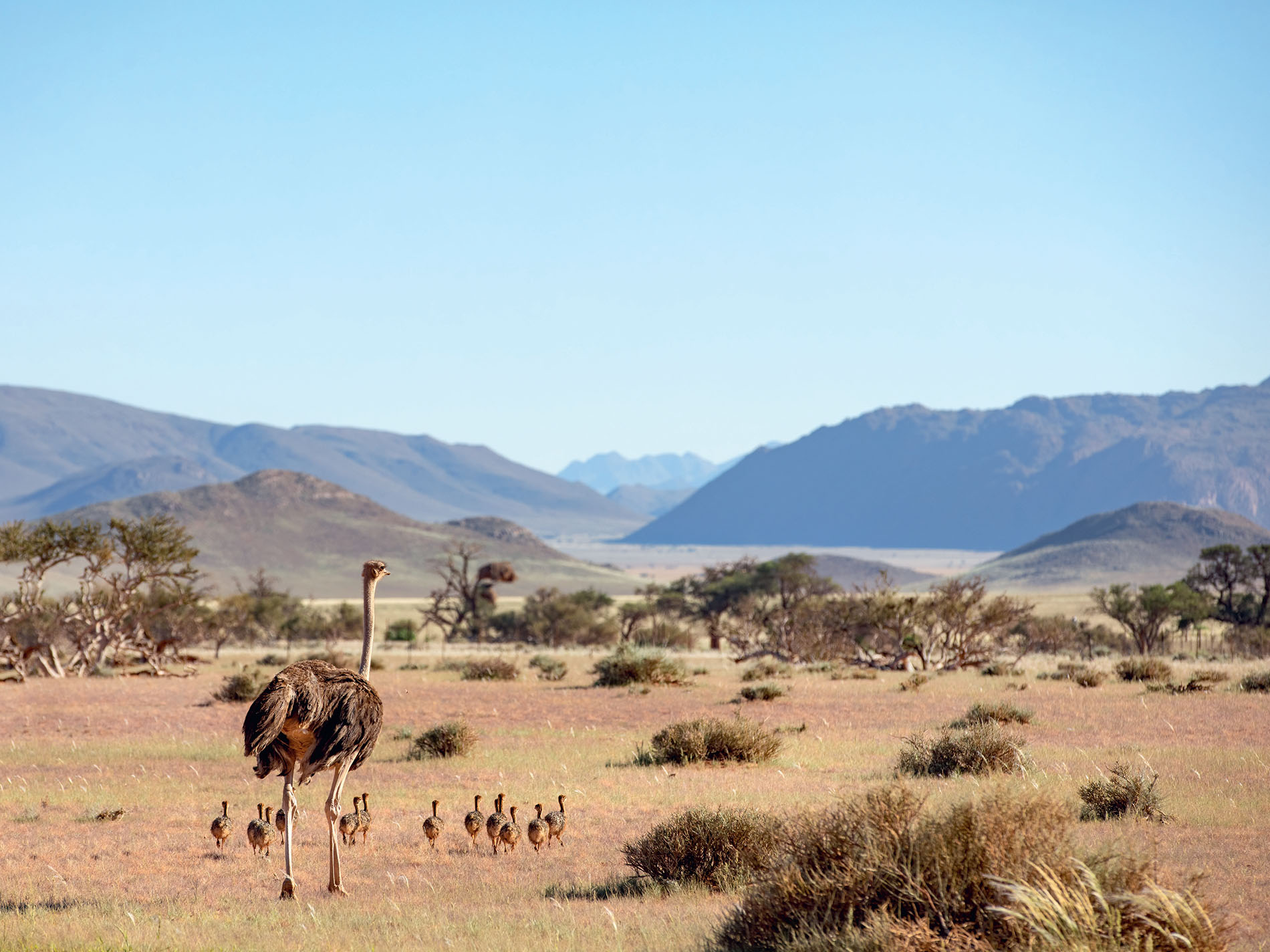
Ostrich eggs are the largest in the world, weighing up to 1.5 kg each and averaging around 15 cm long. The eggs take about 42 days to hatch, during which time the mother incubates them throughout each day – even in the intense heat of the desert – while the father guards them during the night.
| LOCATION: | Namib desert |
| SIZE: | Around 2.5m tall, up to 135 kg in weight |
| SPECIAL FEATURES: | Can deliver dangerous kicks if threatened |
| STRENGTHS: | Black (male) and lighter brown (female) feathers withstand heat and help avoid detection by predators |

Most cunning hunter
Rainfall can turn the desert into one of Earth’s most productive landscapes – grasslands. These regions, along with savannahs (which are similar to grasslands but have scattered trees too), can still be fairly arid, but there’s enough water and vegetation to support more animal life than in the desert alone. In fact, grasslands may be home to among the greatest concentrations of land animals anywhere on Earth. Finding a meal, however, can still require lots of cunning …
Which is the most cunning hunter – the cheetah or the leopard?
Cheetah
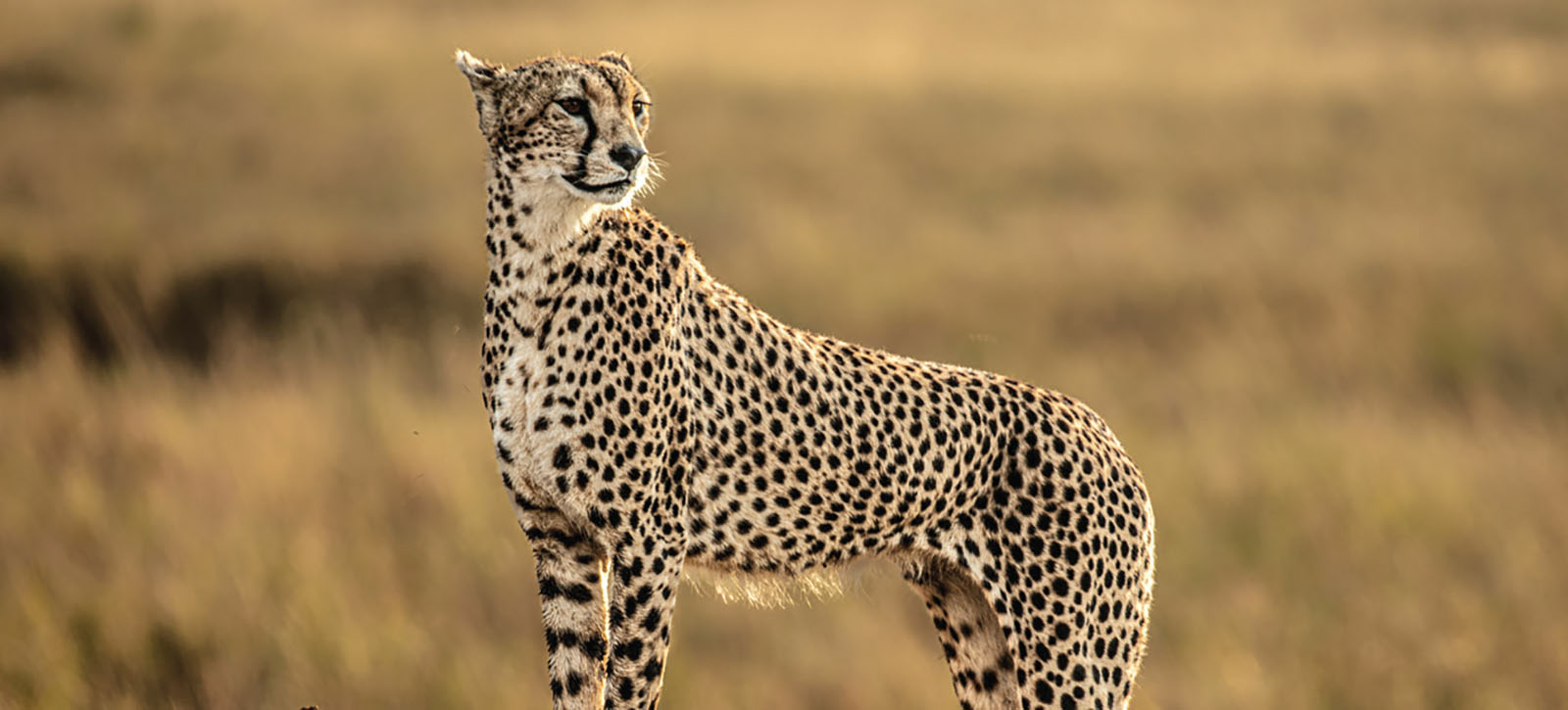
The cheetah is both a stealth hunter and a speedy sprinter – and is thought to reach speeds of up to 70 miles per hour. First, it sizes up its prey, then secretly stalks it, and finally uses its incredible speed to bring the prey to the ground. Cheetahs usually hunt during the day to avoid bumping into predators of their own, like lions, which prefer to hunt at night.
| LOCATION: | African desert and savannah |
| SIZE: | Head and body are 1.1–1.4 metres long, tail adds 60–80 cm |
| SPECIAL FEATURES: | Light frame, small head and long, powerful legs |
| STRENGTHS: | Built for speed – the world’s fastest animal on land |
Leopard
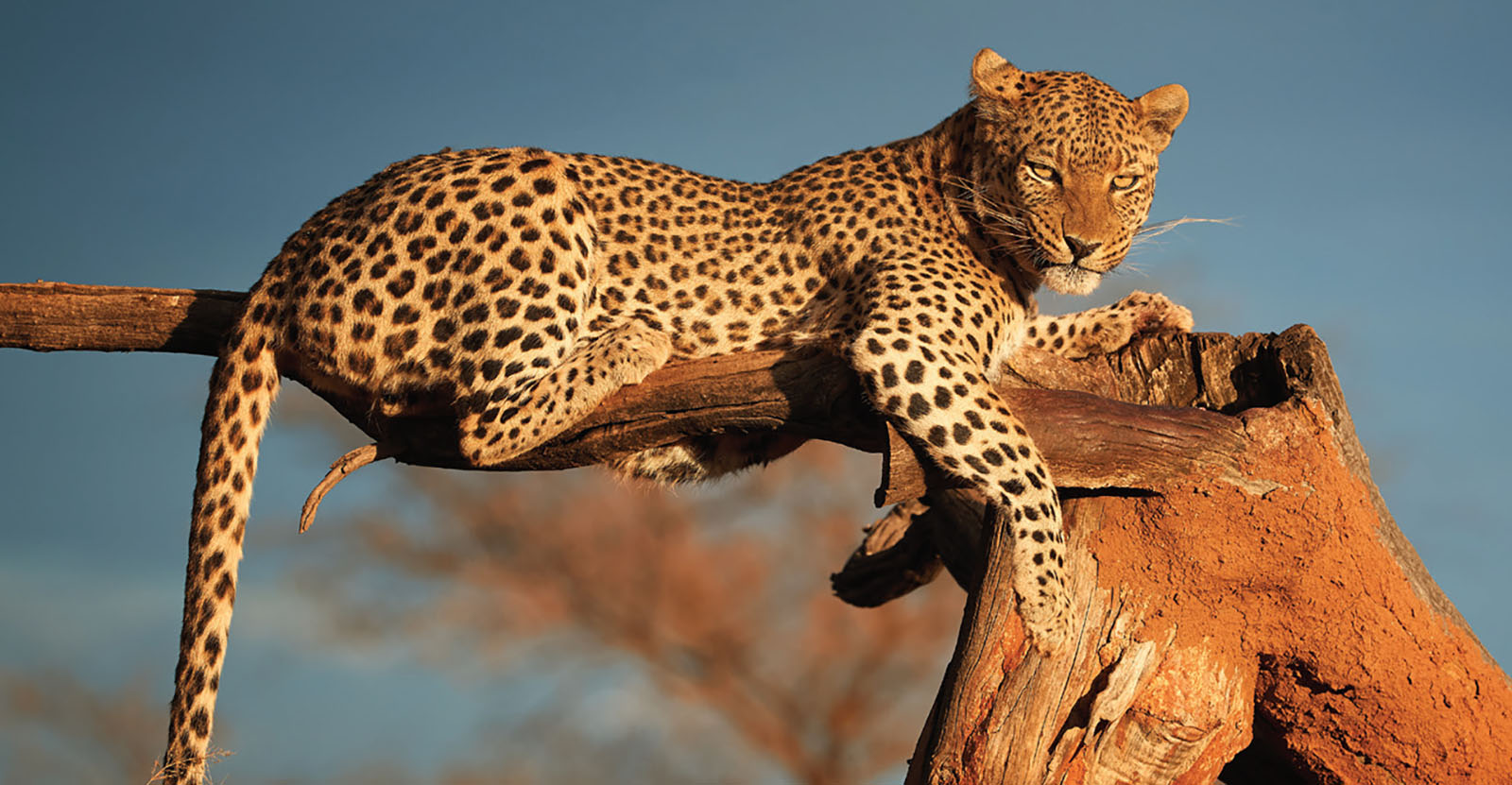
Hunting mainly at night, the leopard stalks its prey along the ground using its brilliant hearing and vision. In southern Africa, a handful of special leopards have learned to hide in treetops and wait for their prey to come to them. These leopards can jump from heights of 9 metres – that’s the height of a two-storey house!
| LOCATION: | Southern African grasslands |
| SIZE: | Head and body are 1.4–1.9 metres long, tail adds 1–1.3 metres |
| SPECIAL FEATURES: | Muscular and agile; a skilful tree climber |
| STRENGTHS: | Powerful jaws for taking down large prey |

Show off!
As well as competing for food and resources, animals often compete to win the attention of a mate. Two unique animals that put on impressive performances to attract a potential partner are the spotted bowerbird and the saiga antelope.
Which puts on the best performance – the spotted bowerbird or the saiga antelope?
Spotted bowerbird
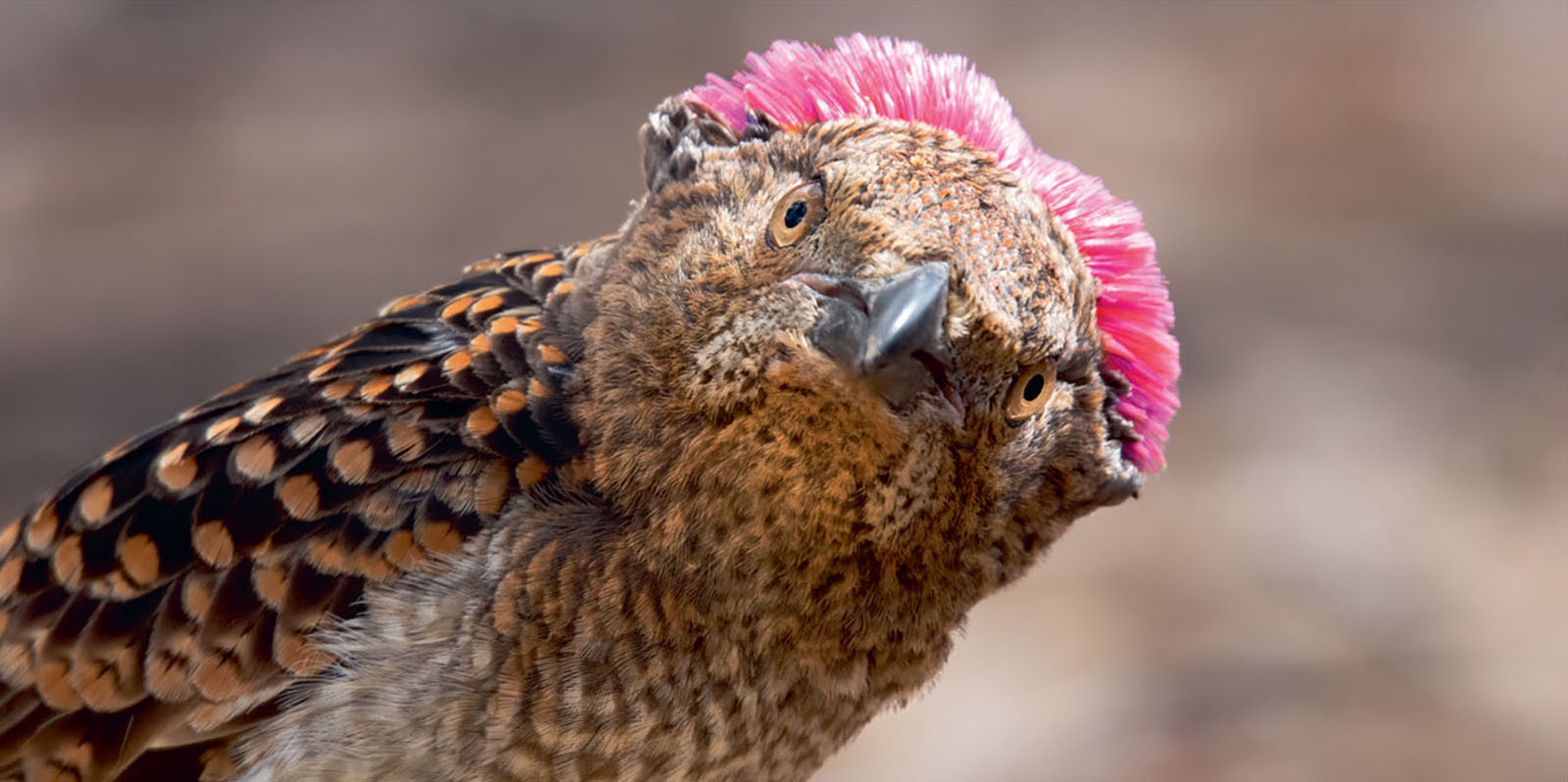
The coming of the rains signals to the female bowerbirds that now is the time to find a mate – the rain means their young will have food. The male bowerbirds have been practising their many moves, and come strutting, raising their wings and calling – putting on energetic performances to attract a mate.
| LOCATION: | Dry areas of eastern Australia |
| SIZE: | Up to 30 cm long |
| SPECIAL FEATURES: | Bright pink crest plumage to attract a mate |
| STRENGTHS: | Young males learn the best dance moves from their elders |
Saiga antelope
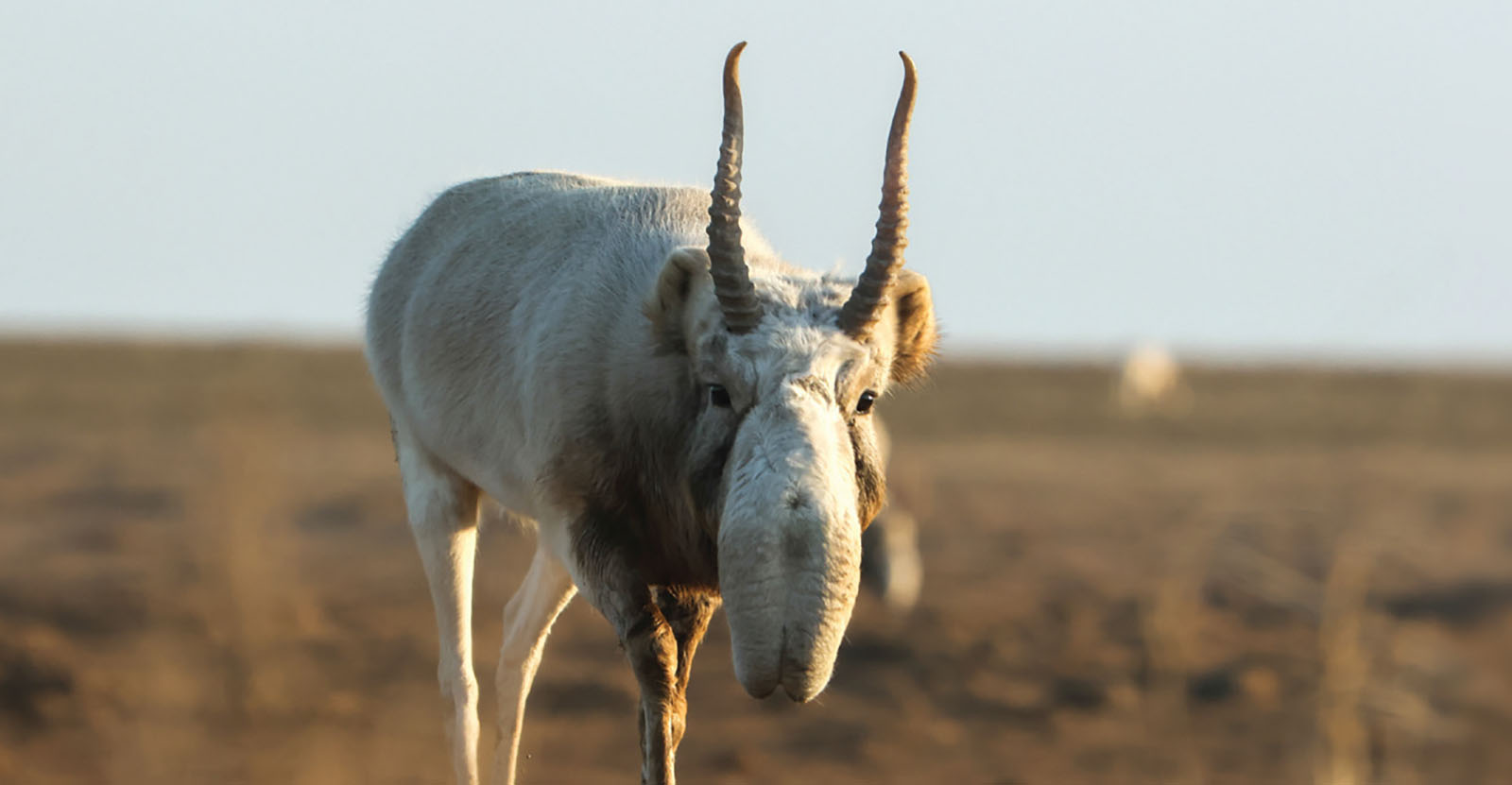
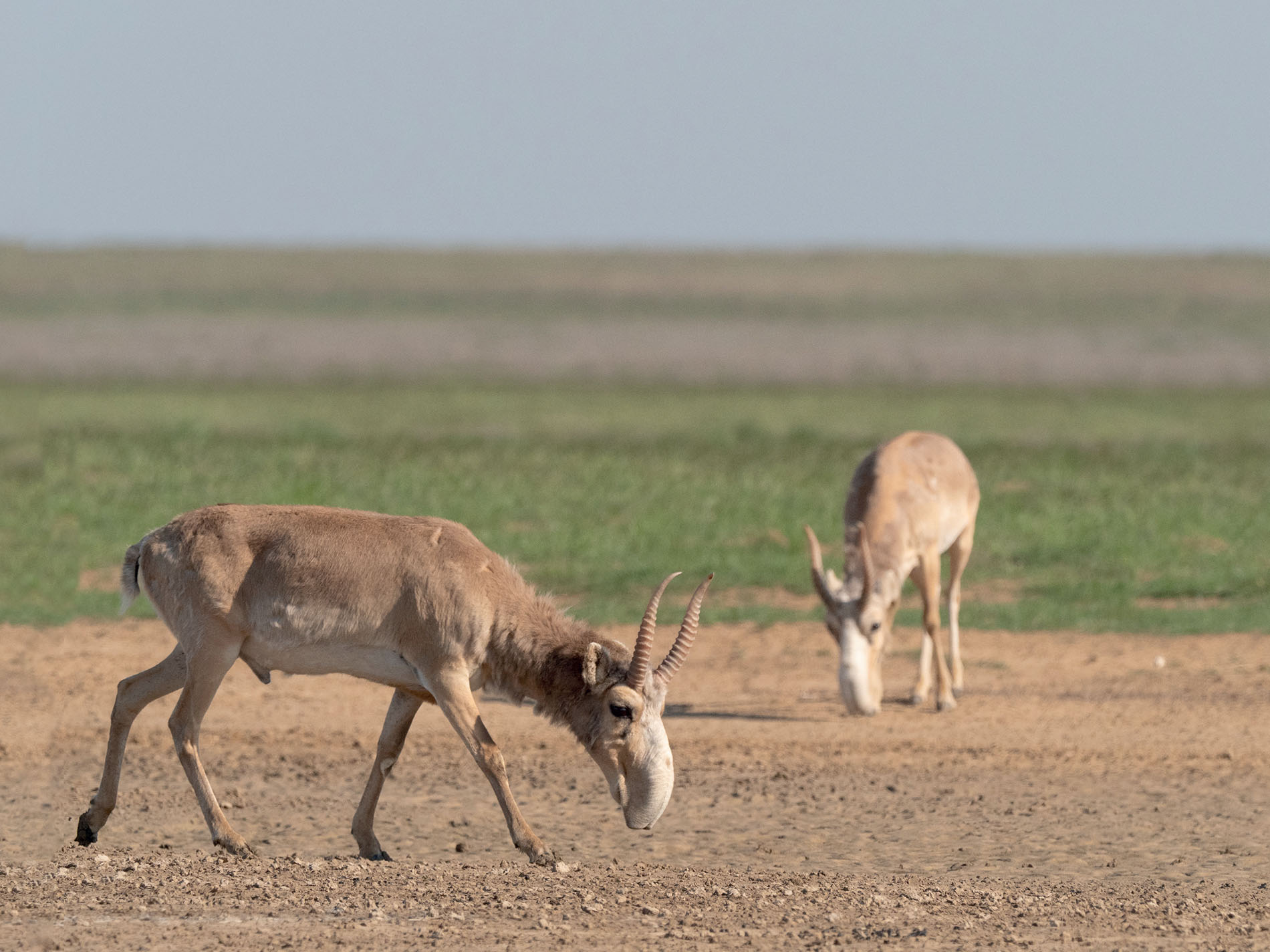
Saigas are small, goat-sized antelope that live in arid grasslands and semi-deserts. The males have bulbous, dangling noses that help to filter out sand and dust. When approaching a female, the male shows off his nose by shaking it from side to side. He also uses it like a trumpet, to advertise how fit and strong he is.
| LOCATION: | Central Asian grasslands and semi-deserts |
| SIZE: | Up to 80 cm tall |
| SPECIAL FEATURES: | In winter, the males’ noses grow bigger |
| STRENGTHS: | Males may fight each other to the death during breeding season as a show of ultimate fitness |

So bashful!
Many animals living in deserts and grasslands hide because of the heat, spending lots of their time in burrows or thick vegetation. Some species, though, hide not only from the sun but because they are naturally very secretive. Two of these shy animals are unusual species.
Which is the shyest – the maned wolf or the aardwolf?
Maned wolf
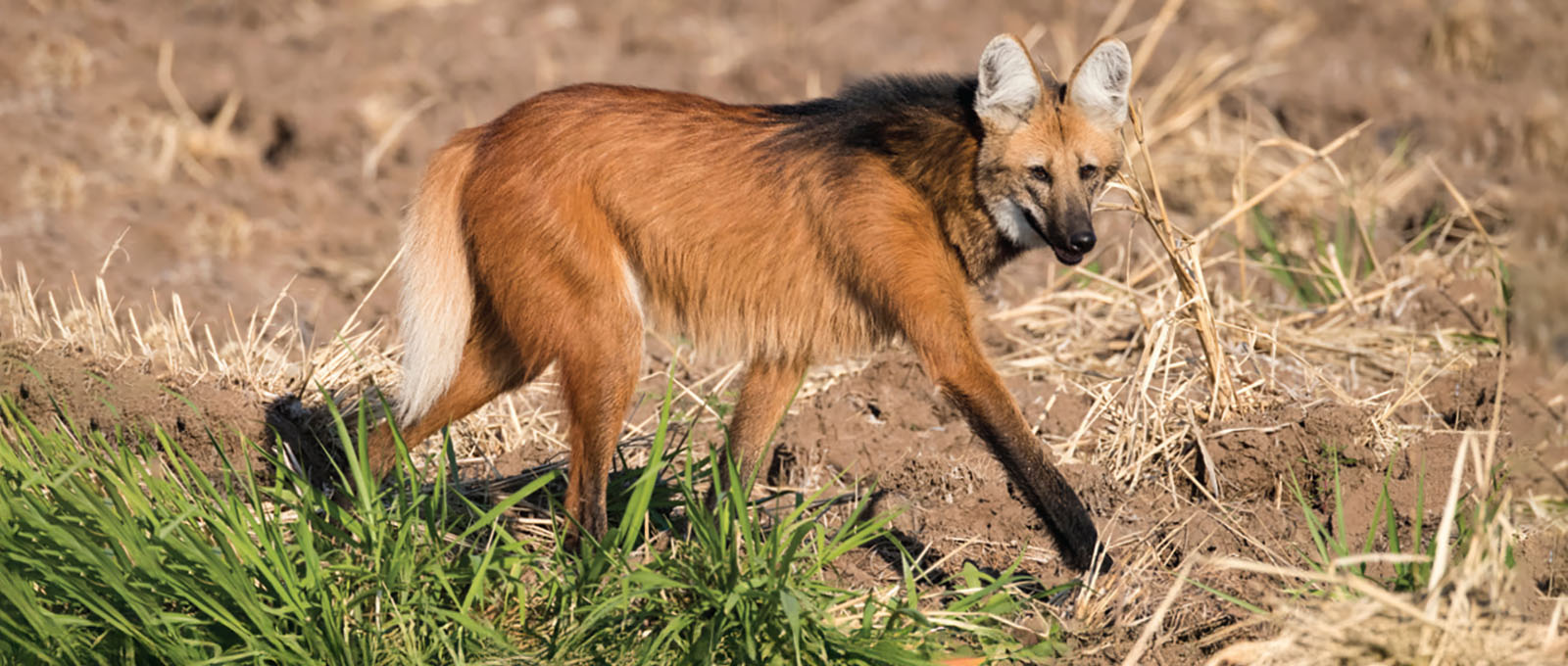
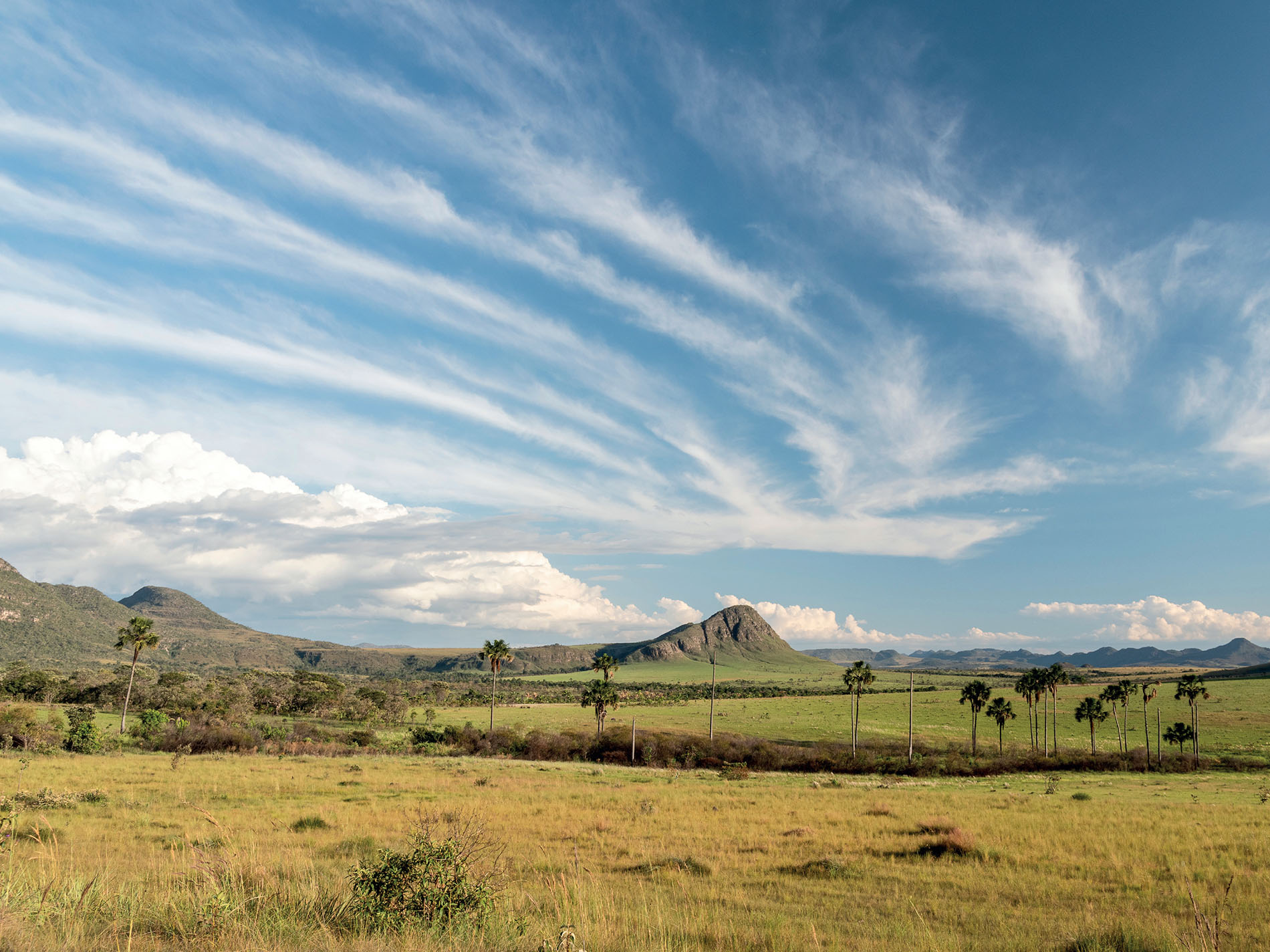
With very long legs, a black mane and a fox-like head, the maned wolf has earned the nickname ‘fox on stilts’. It is a member of the Canid (dog) family, but is not a true wolf. Unlike true wolves, this shy creature tends to hunt alone, not in packs. When they become parents, maned wolves hide their pups in dens in the long grass.
| LOCATION: | South American grasslands, such as the Cerrado of Brazil |
| SIZE: | Around 1 metre long, and around 1 metre tall |
| SPECIAL FEATURES: | Very long legs adapted for the long grasses |
| STRENGTHS: | Able to move ears constantly to detect movement in the undergrowth |
Aardwolf
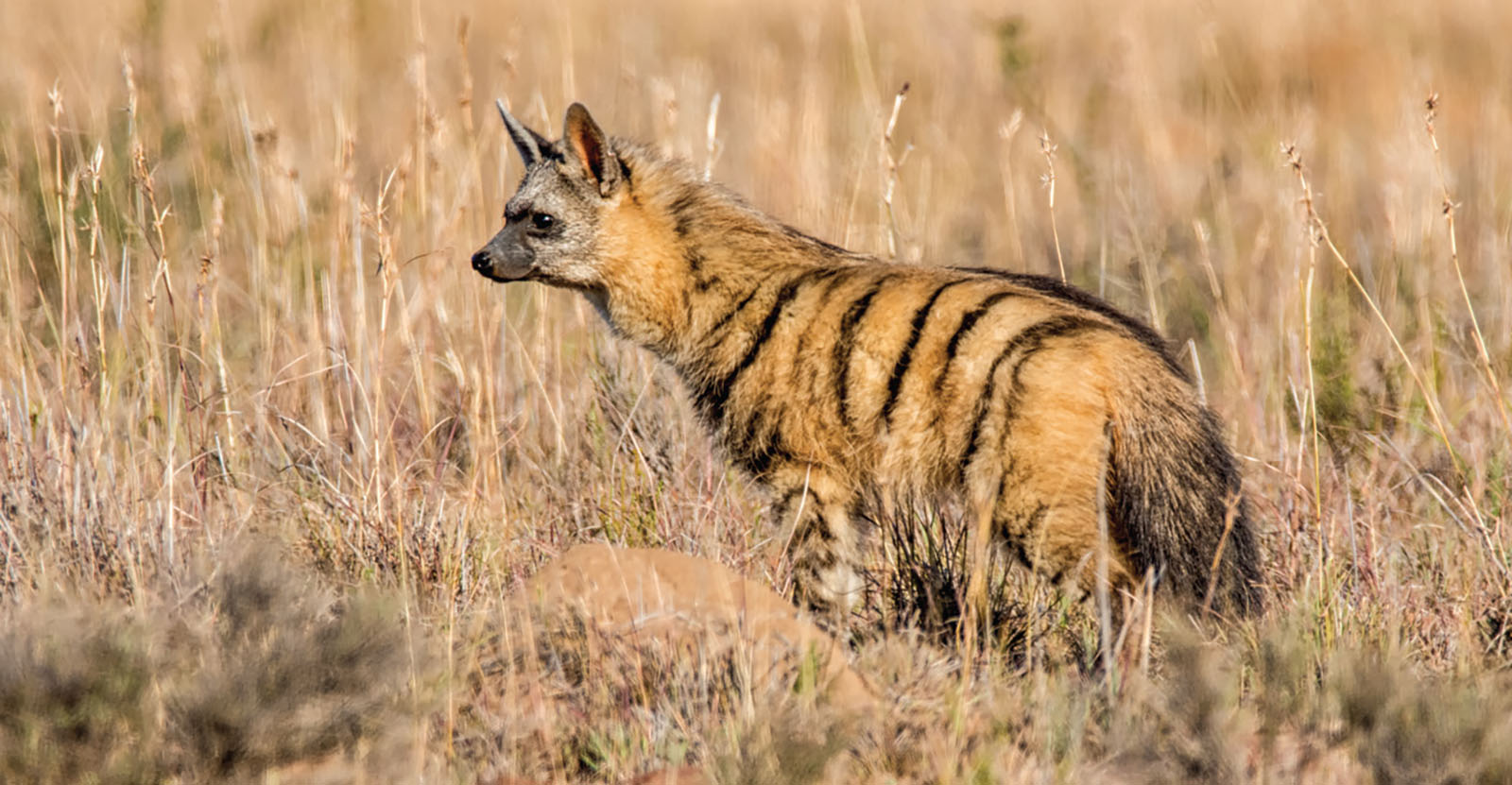
The aardwolf is not a wolf but a small species of hyena. Unusually, it doesn’t eat meat but insects like termites. Nor does it use its teeth to catch its prey – instead, it laps them up with its sticky tongue. The aardwolf hides away in burrows during the day, coming out mainly at night during the summer months, when its prey are most active.
| LOCATION: | African grasslands and savannahs |
| SIZE: | Up to 1 metre long, around 50 cm tall |
| SPECIAL FEATURES: | Uses its broad, sticky tongue to catch prey |
| STRENGTHS: | Makes homes in the disused burrows of other animals |

Best dancer!
Some animals are known for their hunting skills, others are known for their super senses … and some are known for their dance moves! Animals may ‘dance’ for lots of reasons – for example, as part of a courtship ritual or to communicate with each other. The shovel-snouted lizard and the black-crowned crane both have their own unique moves.
Which is the best dancer – the shovel-snouted lizard or the black crowned crane?
Shovel-snouted lizard
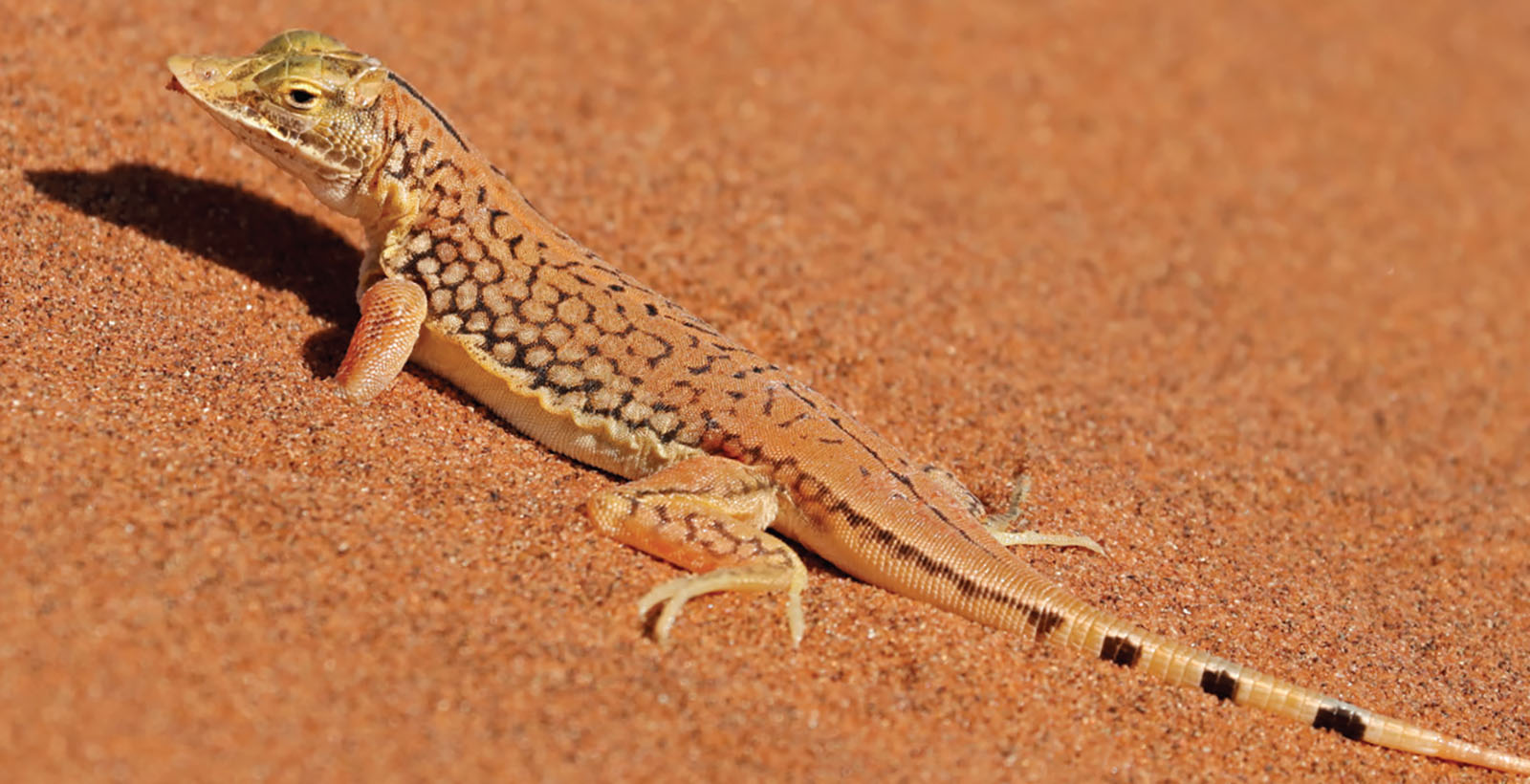
| LOCATION: | Namib desert |
| SIZE: | Small – up to 5 cm long, excluding tail |
| SPECIAL FEATURES: | Shovel-like snout digs deep into the sand so it can avoid the surface heat and evade predators |
| STRENGTHS: | Large feet with fringed toes to help it run across the dunes at speed |
Black crowned crane
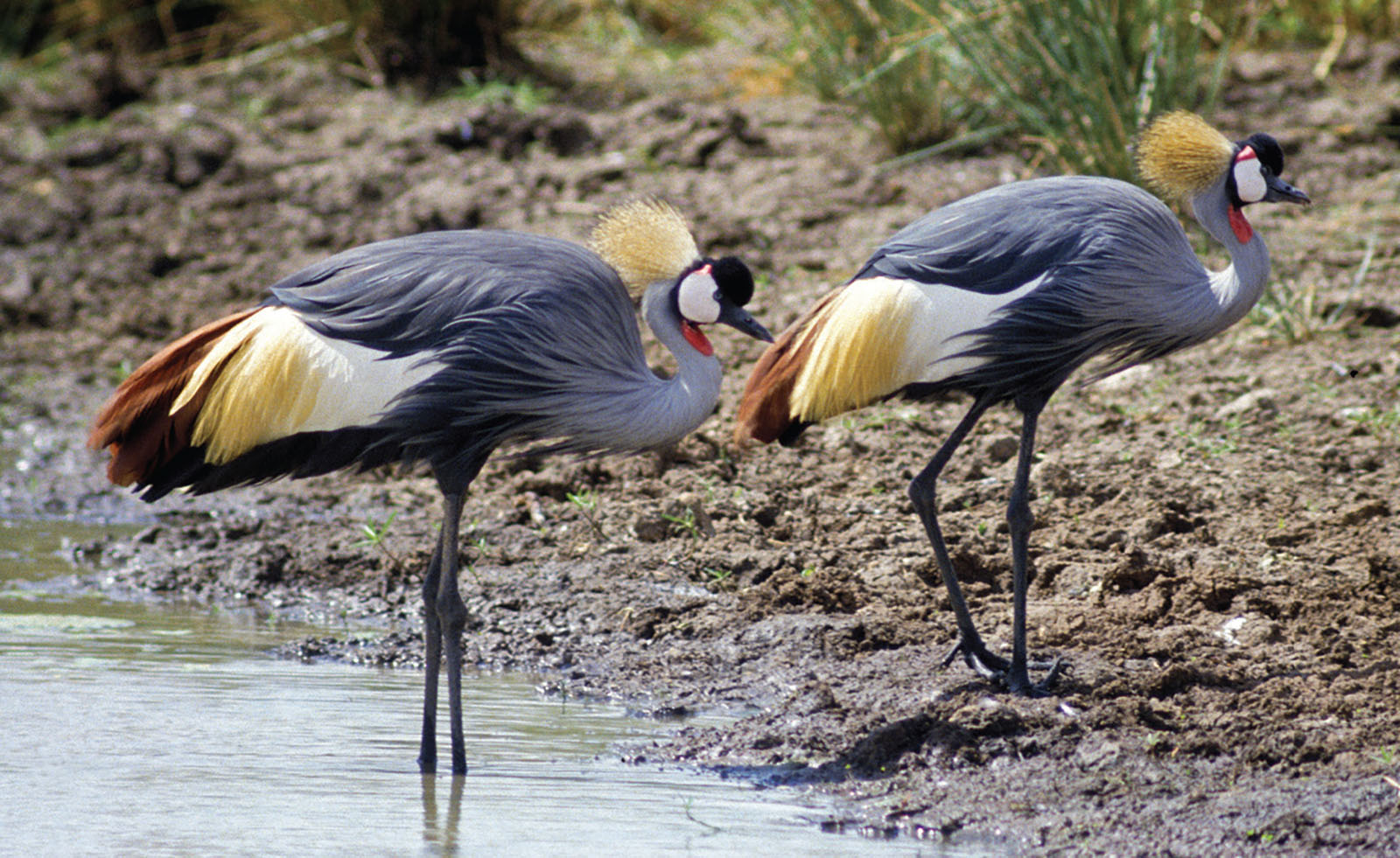
| LOCATION: | Dry and wet grasslands of equatorial Africa |
| SIZE: | Up to 2-metre wingspan, 1 metre tall |
| SPECIAL FEATURES: | Long legs for wading through grasses |
| STRENGTHS: | Highly social |

African elephant
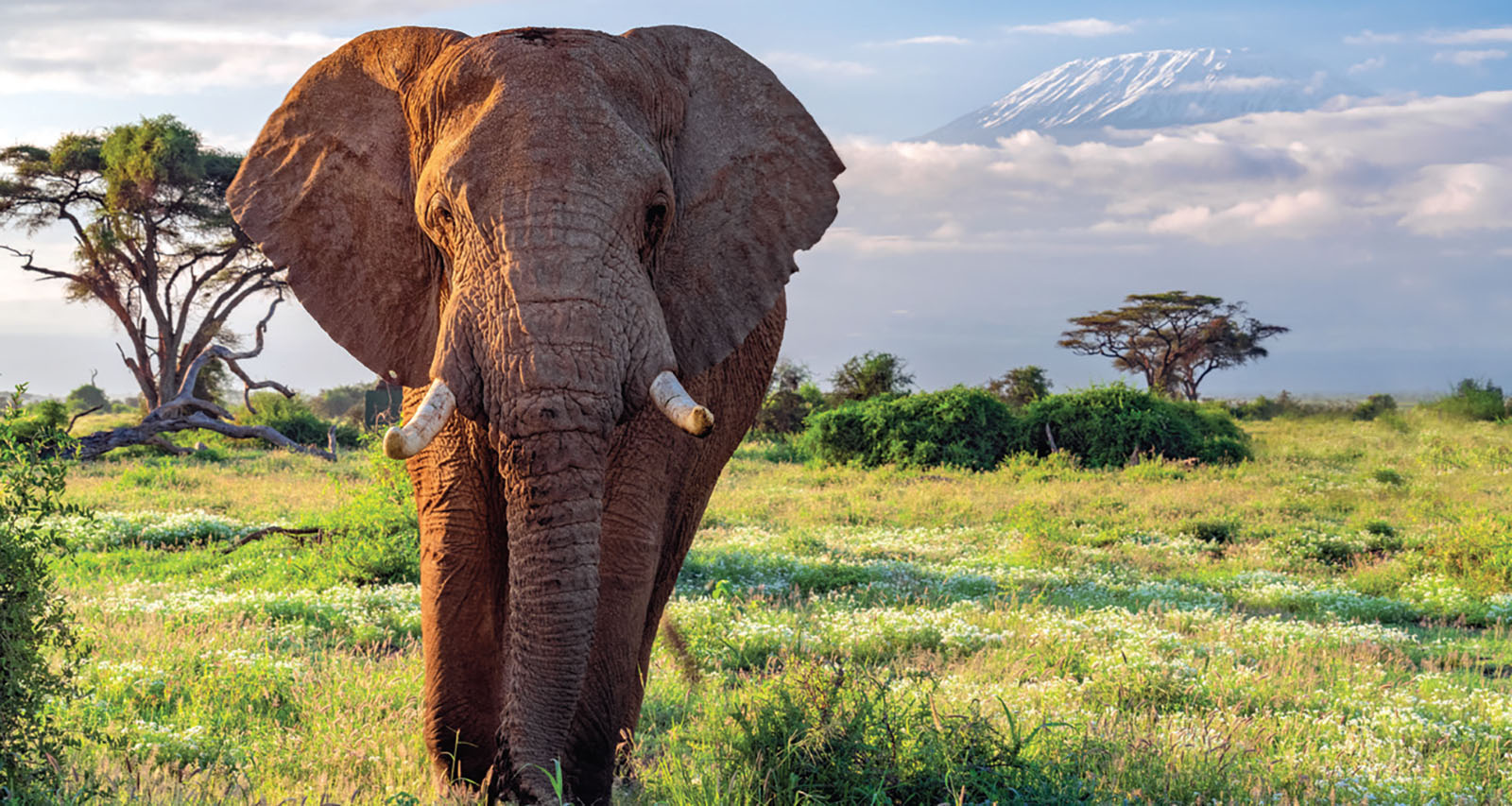
| LOCATION: | African savannahs |
| SIZE: | Up to 4 metres tall, largest males up to 7,000 kg in weight |
| SPECIAL FEATURES: | Needs to eat for around 17 hours a day |
| STRENGTHS: | Muscular, flexible trunk for grasping vegetation |
Grasscutter ant
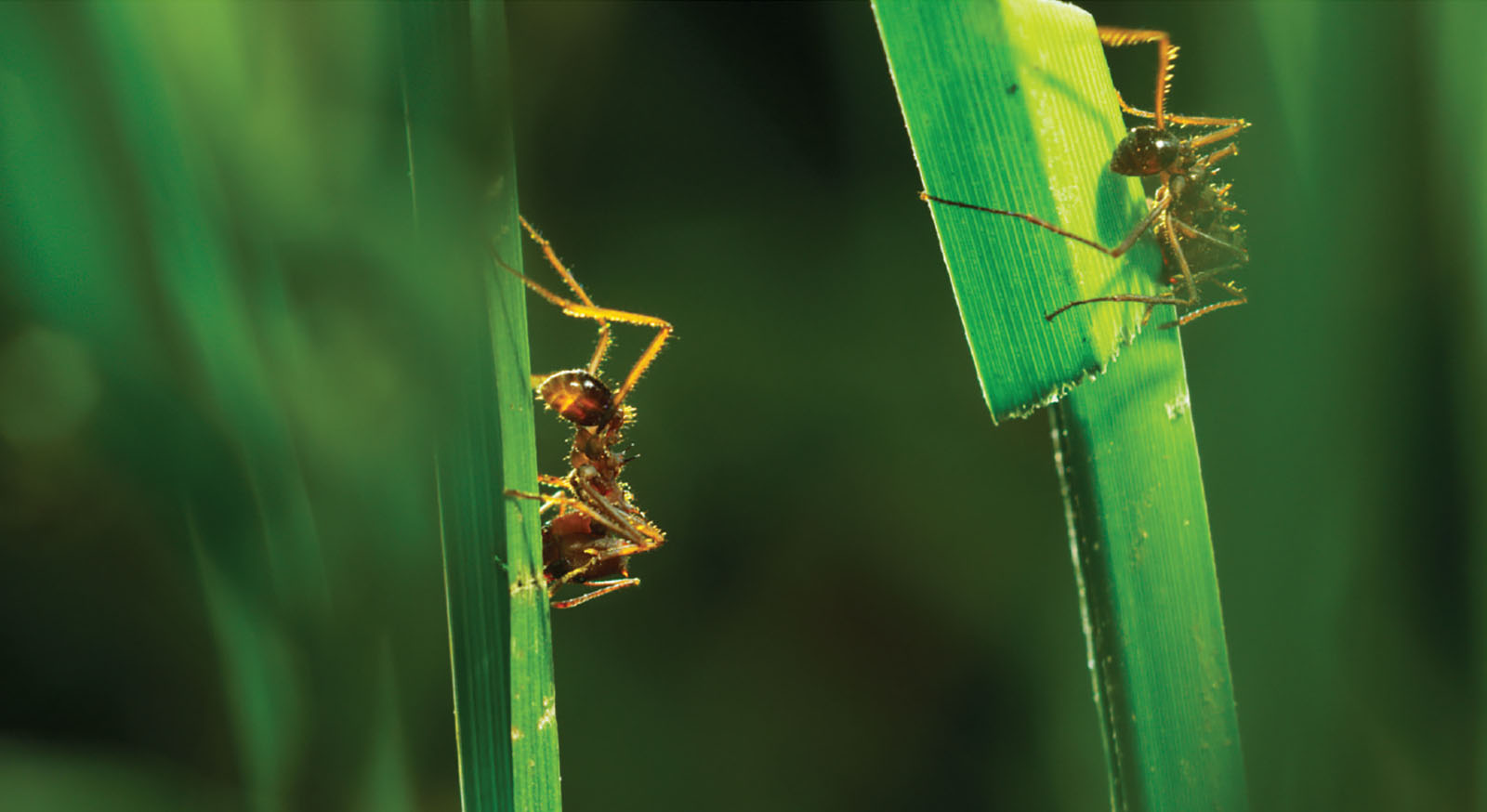
| LOCATION: | Grasslands of South America |
| SIZE: | Very small – about 1.5 cm long |
| SPECIAL FEATURES: | Born with strong, razor-sharp jaws for cutting |
| STRENGTHS: | Can carry blades of grass many times heavier than themselves |